
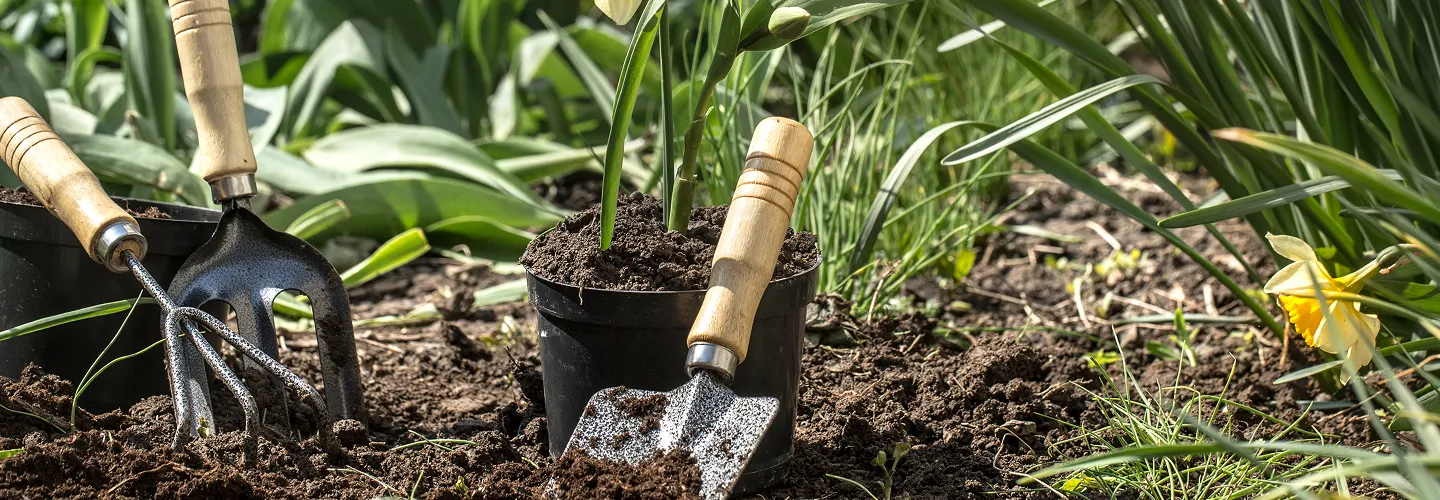
Glenwood Flower Planting Services
Choose Glenwood for flower planting and enjoy vibrant, expertly arranged blooms that enhance your curb appeal and thrive all season long—our experienced team ensures your garden stands out with healthy, beautiful flowers tailored to your space.
Get a Free QuoteOur Glenwood Landscaping & Yard Care Services
When to Schedule Flower Planting in Glenwood, Arizona – Seasonal Guide
In Glenwood, Arizona, timing your flower planting is crucial for vibrant, long-lasting blooms. The region’s unique climate—marked by warm, dry springs and mild winters—means that the best planting windows are typically from late February through early April, and again in late September to October. These periods allow new plantings to establish roots before the intense summer heat or the occasional winter frost. Neighborhoods near the San Francisco River and the Glenwood Community Park often experience slightly cooler microclimates, which can extend the planting window by a few weeks.
Local environmental factors play a significant role in determining the optimal planting schedule. For example, areas with dense shade from mature cottonwoods or pecans, such as those along Catwalk Road, may require different timing than sunnier, open lots. Soil composition in Glenwood ranges from sandy loam to rocky clay, impacting drainage and moisture retention. It’s also important to monitor municipal water restrictions and drought advisories, which are regularly updated on the Town of Sudbury’s website. Consulting these resources ensures your planting plans align with local guidelines and environmental best practices.
Local Factors to Consider for Flower Planting in Glenwood
- Proximity to the San Francisco River or other water sources
- Tree density and shade coverage (e.g., Catwalk Road neighborhoods)
- Soil type: sandy loam vs. rocky clay
- Average precipitation and drought risk
- Frost dates and seasonal temperature swings
- Municipal water restrictions and planting ordinances
- Terrain slope and drainage patterns
Benefits of Flower Planting in Glenwood
Expert Landscaping Services
Customized Garden Designs
Seasonal Plant Selection
Enhanced Curb Appeal
Eco-Friendly Practices
Reliable Local Team
Glenwood Flower Planting Types

Annual Flower Beds
Seasonal color with vibrant annuals for dynamic landscape displays.
-
Perennial Gardens
Long-lasting blooms that return year after year for low-maintenance beauty.
-
Native Plant Installations
Eco-friendly choices that thrive in Glenwood’s local climate and soil.
-
Pollinator-Friendly Plantings
Attract bees, butterflies, and birds with carefully selected flowering plants.
-
Shade Garden Plantings
Specialized flowers and foliage for areas with limited sunlight.
-
Container Flower Arrangements
Versatile and movable flower displays for patios, decks, and entryways.
-
Bulb Planting Services
Seasonal bulbs for spring and summer blooms in your landscape.
Our Flower Planting Process
Site Evaluation
Soil Preparation
Plant Selection
Careful Planting
Watering and Mulching
Why Choose Glenwood Landscape Services
-
Glenwood Homeowners Trust Us
-
Expert Lawn Maintenance
-
Reliable Seasonal Cleanup
-
Competitive Pricing
-
Professional Team
-
Satisfaction Guarantee
-
Personalized Service
Coordinating Flower Planting Projects with Glenwood's Municipal Programs and Departments
Glenwood is an unincorporated community in Catron County, situated along the San Francisco River in western New Mexico's border region with Arizona. Because Glenwood falls within Catron County rather than an incorporated Arizona municipality, residents and property managers should coordinate flower planting projects through county-level offices and relevant state agencies rather than a city government. For properties adjacent to public rights-of-way, drainage corridors, or the San Francisco River floodplain, coordination with local land management authorities is essential before disturbing soil or installing irrigation infrastructure. The Arizona Department of Water Resources provides landscaping guidance that supports water-efficient planting design in arid transitional communities like Glenwood.
- Verify whether flower planting near public roads or drainage easements requires county review
- Confirm irrigation water source availability and any applicable well or diversion permits
- Coordinate green waste disposal through county transfer station procedures rather than municipal curbside collection
Catron County Government
P.O. Box 507, Reserve, NM 87830
Official Website: Catron County Government
How Glenwood's High-Desert Elevation and River Valley Shape Flower Planting
Glenwood sits at approximately 4,800 feet in elevation within a narrow river valley flanked by the Mogollon Mountains. This transitional zone between low desert and mountain terrain creates conditions distinct from Phoenix or Tucson. The community falls within USDA Hardiness Zone 7b to 8a, meaning winter lows can reach the single digits during cold snaps, while summer daytime temperatures regularly exceed 95°F. These factors directly influence flower species selection and planting timing.
- Soil composition: Glenwood's soils tend toward rocky alluvial deposits along the San Francisco River corridor, with alkaline sandy loam and gravelly substrates on higher benches; soil amendment with organic matter is typically necessary before planting
- Frost risk: Late spring frosts can occur into mid-April, and early fall frosts may arrive by mid-October, compressing the frost-free planting window
- Monsoon exposure: July through September monsoon storms deliver intense but erratic rainfall, creating flash-flood risk along washes and the river channel that can wash out newly planted beds
- Irrigation dependence: Between monsoon events, extended dry periods require drip irrigation or hand watering to sustain flowering plants through summer heat
Navigating Regulations and Environmental Compliance for Flower Planting in Glenwood
Property owners in Glenwood should be aware of several regulatory layers that may affect flower planting projects, particularly those involving soil disturbance, irrigation modifications, or planting near waterways. The San Francisco River and its tributary washes are subject to federal protections under the Clean Water Act, which prohibits discharge of sediment, fertilizer runoff, or soil amendments into waters of the United States. Any flower planting project that involves grading or earthwork near the river corridor should account for erosion control and stormwater management consistent with Arizona DEQ stormwater guidance.
- Pesticide or herbicide application in flower beds requires compliance with Arizona Department of Agriculture licensing requirements for commercial applicators
- Planting projects should avoid introducing species listed on the Arizona noxious weed list
- Properties adjacent to National Forest land or designated wilderness should verify setback and vegetation management expectations with the relevant land management agency
Arizona Department of Agriculture
1688 W. Adams Street, Phoenix, AZ 85007
Phone: (602) 542-4373
Official Website: Arizona Department of Agriculture
Timing and Methods for Successful Flower Planting in Glenwood's Climate
Professional flower planting in Glenwood requires careful alignment with the community's compressed growing seasons and variable weather patterns. The primary planting window for warm-season annuals and perennials extends from mid-May through early June, after the last reliable frost date but before peak summer heat intensifies. Cool-season flowers such as pansies and snapdragons perform well when planted in early September through mid-October, taking advantage of cooling temperatures and residual monsoon moisture.
- Soil preparation: Amend native rocky or alkaline soils with compost to improve water retention and nutrient availability; test soil pH before planting, as values above 8.0 may require sulfur amendment for acid-loving species
- Species selection: Desert-adapted and drought-tolerant flowers such as desert marigold, penstemon, salvia, and blanket flower are well suited to Glenwood's conditions; avoid high-water-demand species that cannot sustain themselves between irrigation cycles
- Irrigation setup: Install drip emitters at each planting station to deliver water directly to root zones, minimizing evaporation loss and preventing surface runoff into nearby washes
- Mulch application: Apply two to three inches of organic or gravel mulch around plantings to moderate soil temperature, reduce moisture loss, and suppress weed germination
- Monsoon protection: Newly planted beds on slopes or near drainage channels should include temporary erosion barriers or berms to prevent washout during intense storm events
Arizona Department of Water Resources
1110 W. Washington Street, Suite 310, Phoenix, AZ 85007
Phone: (602) 771-8500
Official Website: Arizona Department of Water Resources
What Neighborhoods Do We Serve Throughout Glenwood, AZ?
- Glenwood Town Center: Properties along the main highway corridor often feature older irrigated lots with established shade trees, requiring flower planting designs that account for partial shade and existing root zones
- San Francisco River Corridor: Homes near the river face elevated flood risk during monsoon season, making raised bed installations and erosion-resistant planting strategies essential for flower bed longevity
- Whitewater Mesa Area: Higher-elevation lots on the mesa benches experience greater wind exposure and drier soils, favoring drought-tolerant wildflower species and wind-resistant planting layouts
- Alma Road Properties: Rural residential parcels along the Alma Road stretch tend toward larger lot sizes with well-irrigated gardens, supporting broader flower variety but requiring attention to alkaline soil correction
- Mogollon Foothills Parcels: Properties bordering the Mogollon range encounter cooler microclimates, extended frost windows, and rocky substrates that demand careful species selection and deeper soil preparation for successful flower establishment