
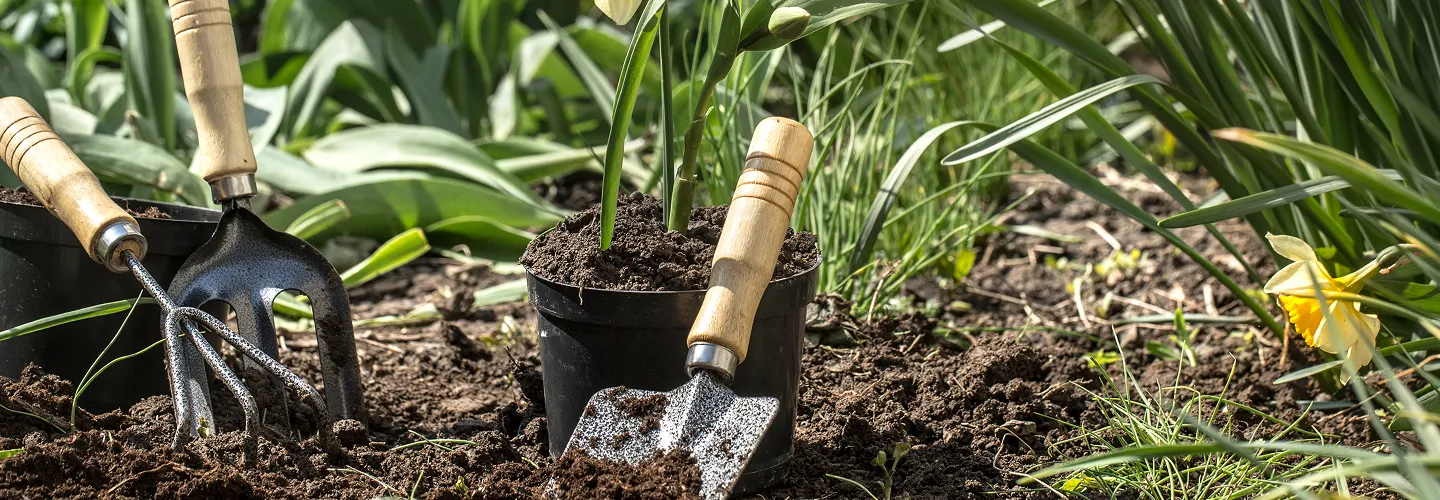
Glenwood Lawn Edging Services
Choose our Lawn Edging for a flawless finish that elevates your curb appeal, prevents grass overgrowth, and gives your landscape a polished, professional look that lasts.
Get a Free QuoteOur Glenwood Landscaping & Yard Care Services
When to Schedule Lawn Edging in Glenwood, Arizona – Seasonal Guide
In Glenwood, Arizona, the best times to schedule lawn edging are typically in early spring and late fall. These periods align with the region’s moderate temperatures and reduced risk of extreme weather, making it easier to achieve crisp, clean edges that last. Glenwood’s unique climate—characterized by hot, dry summers and mild winters—means that edging during the cooler months helps prevent stress on your turf and supports healthy regrowth.
Local factors such as the proximity to the San Francisco River, the shaded lots near Glenwood Community Park, and the sandy-loam soils common in the area all play a role in determining the ideal timing for lawn maintenance. Homeowners should also consider Glenwood’s average frost dates, which typically occur in late November and early March, as edging too close to these periods can impact turf recovery. For more information on local environmental guidelines, visit the official Glenwood resources.
Local Factors to Consider for Lawn Edging in Glenwood
- Tree density and shade coverage, especially in neighborhoods like Catwalk Road and near Whitewater Mesa
- Soil type, with sandy and loamy soils requiring different edging approaches
- Seasonal precipitation patterns and drought risk
- Terrain variations, including sloped yards and riverbank properties
- Municipal restrictions or water usage guidelines
By taking these Glenwood-specific factors into account, you can ensure your lawn edging is both effective and sustainable throughout the year.
Benefits of Lawn Edging in Glenwood
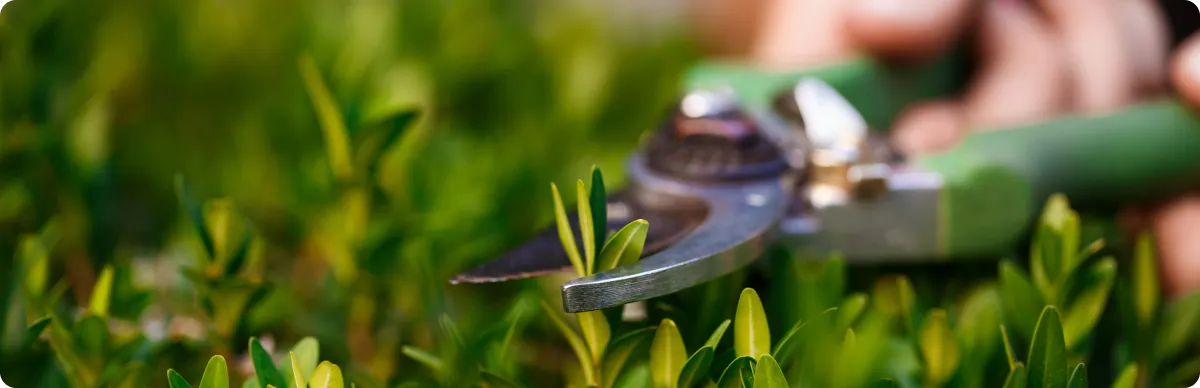
Enhanced Curb Appeal
Professional Installation
Long-Lasting Results
Weed and Grass Control
Custom Design Options
Low Maintenance Solutions
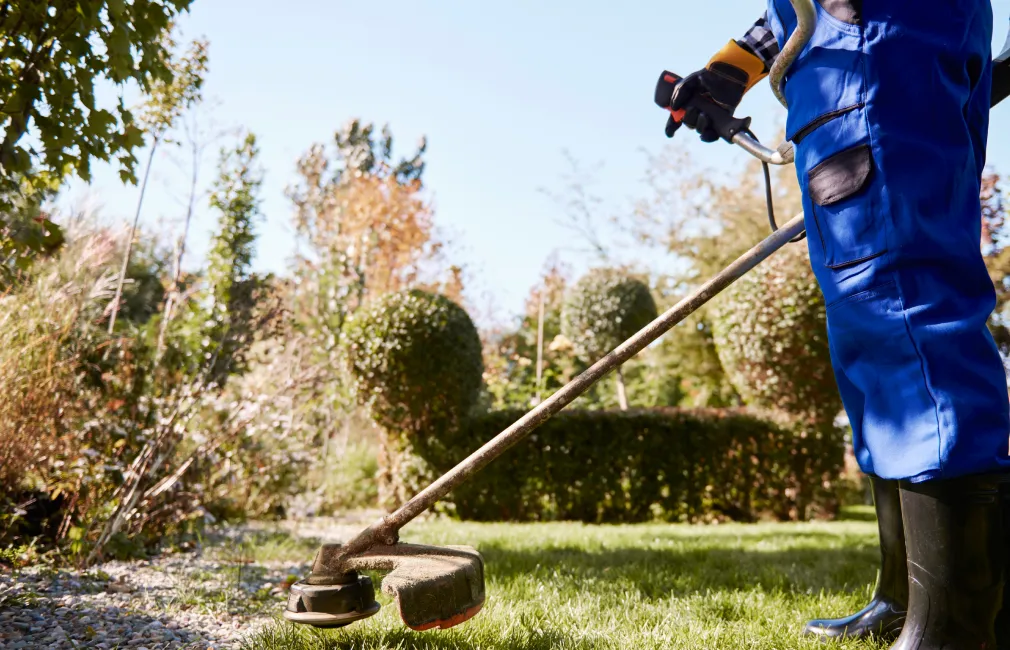
Glenwood Lawn Edging Types

Steel Lawn Edging
-
Plastic Landscape Edging
-
Concrete Curb Edging
-
Brick Garden Edging
-
Natural Stone Edging
-
Wood Timber Edging
-
Rubber Landscape Edging
Our Lawn Edging Process
Site Evaluation
Marking Edges
Cutting the Edge
Debris Removal
Final Inspection
Why Choose Glenwood Landscape Services
-
Glenwood Homeowners Trust Us
-
Expert Lawn Maintenance
-
Reliable Seasonal Cleanup
-
Competitive Pricing
-
Professional Team
-
Satisfaction Guarantee
-
Personalized Service
Coordinating Lawn Edging Services with Glenwood's Municipal Infrastructure Programs
Glenwood is an unincorporated community in Catron County, situated along the San Francisco River in western New Mexico's border region with Arizona. Because Glenwood lacks a standalone municipal government, residents and property managers should coordinate lawn edging activities through Catron County offices and relevant state-level agencies. Edging debris—grass clippings, soil fragments, and organic matter—must be kept out of roadside drainage channels and the San Francisco River corridor to avoid contributing to sedimentation. Property owners maintaining turf edges along county road rights-of-way should verify setback and clearance expectations with county road maintenance staff before performing mechanical edging near pavement or culvert inlets.
- Sweep or vacuum all edging debris from sidewalks, driveways, and curb lines immediately after work
- Confirm right-of-way boundaries with county offices before edging along public roadways
- Dispose of green waste through approved methods rather than pushing clippings into drainage channels
Phoenix AZ Public Works
Official Website: Phoenix AZ Public Works
Phoenix AZ City Engineer Department
Official Website: Phoenix AZ City Engineer Department
How Glenwood's Mountain Soils and Riparian Setting Affect Lawn Edging
Glenwood sits at approximately 5,500 feet elevation in a transitional Arizona–New Mexico mountain zone, placing it within USDA Hardiness Zone 7b to 8a. The area experiences meaningful frost risk from late October through mid-April, moderate monsoon exposure from July through September, and warm but not extreme summer temperatures compared to low-desert Arizona communities. Soils in the Glenwood area tend toward rocky alluvial loams and gravelly substrates deposited by the San Francisco River, often with variable compaction and embedded cobble that can challenge mechanical edging equipment.
- Rocky alluvial soils may dull steel edger blades quickly and require frequent sharpening or blade replacement
- Monsoon runoff can erode freshly cut turf edges, especially on properties adjacent to washes or the river corridor
- Cool-season turf dominance means Kentucky bluegrass and tall fescue are more common than bermudagrass, affecting edging frequency and growth patterns
- Frost heave in late winter can shift hardscape borders, requiring edge re-establishment each spring
The University of Arizona Cooperative Extension provides turf management guidance applicable to higher-elevation Arizona communities where cool-season grasses predominate.
Navigating Stormwater and Environmental Compliance for Lawn Edging in Glenwood
Lawn edging generates clippings, soil particles, and organic debris that can enter stormwater conveyances if not properly managed. Under the Clean Water Act, pollutants discharged into waters of the United States—including the San Francisco River—are subject to federal regulation. The Arizona Department of Environmental Quality administers stormwater programs statewide, and properties near Glenwood's riparian corridors should exercise particular care to prevent sediment and organic material from reaching waterways.
- Keep all edging debris on the property; do not blow or wash clippings into streets, ditches, or the river
- Avoid mechanical edging on saturated ground during or immediately after monsoon storms to reduce erosion
- If herbicides are applied along edged borders, applicators must hold appropriate credentials through the Arizona Department of Agriculture
- Properties adjacent to the San Francisco River should maintain a vegetated buffer and avoid cutting turf edges to bare soil near the bank
Arizona Department of Environmental Quality – Stormwater Program
Official Website: Arizona DEQ Stormwater
Timing and Methods for Professional Lawn Edging in Glenwood's Climate
At Glenwood's elevation, the primary edging season aligns with active turf growth from mid-April through October. Cool-season grasses such as tall fescue and Kentucky bluegrass grow most vigorously in spring and early fall, making those periods the highest-demand windows for edge maintenance. During the monsoon season from July through September, edging should be scheduled around storm events to avoid working on waterlogged soil and to prevent freshly exposed edges from eroding.
- Spring establishment (April–May): Re-cut all hardscape edges after winter frost heave and soil settling; inspect for root encroachment into walkways and driveways
- Summer maintenance (June–August): Edge every two to three weeks during peak growth; schedule work in early morning to reduce heat stress on turf and operators
- Fall cleanup (September–October): Perform final edging passes before dormancy; remove accumulated thatch and debris from edge channels
- Equipment standards: Rotary blade edgers produce cleaner cuts along concrete and flagstone; manual half-moon edgers are appropriate for curved bed lines in rocky soil where power equipment may kick up stones
- Irrigation coordination: Edge before scheduled irrigation cycles so that water settles disturbed soil rather than washing loose material into hardscape joints
The Arizona Department of Water Resources offers landscaping conservation guidance that supports efficient irrigation scheduling around edging and other turf maintenance activities.
What Neighborhoods Do We Serve Throughout Glenwood, AZ?
- Glenwood Town Center: Properties along the main highway corridor feature older irrigated lots with established cool-season turf and concrete walkways requiring regular edge maintenance
- San Francisco River Corridor: Homes adjacent to the river face unique edging challenges including alluvial soil instability, riparian buffer requirements, and monsoon erosion along turf borders
- Alma Road Area: Rural residential parcels south of Glenwood often have larger lot sizes with gravel-to-turf transitions that demand defined edging to prevent gravel migration
- Whitewater Creek Vicinity: Properties near this drainage experience seasonal flooding that can displace turf edges and deposit debris along hardscape borders
- Upper Glenwood Residential Properties: Higher-elevation homesites on sloped terrain require edging techniques that account for grade changes and rocky subsurface conditions